
Kampala is a city that reveals itself through movement. Built across a series of rolling hills, Uganda’s vibrant capital is a fascinating blend of history, culture, religion, modernity, and everyday life. From bustling markets to royal landmarks and breathtaking city viewpoints, Kampala offers visitors a sneak peek into the heart of Uganda.
Whether you’re spending a day in the city or using it as a gateway to the rest of Uganda, Kampala offers plenty to discover. Here are some of the must-see attractions and experiences that deserve a place on your itinerary.
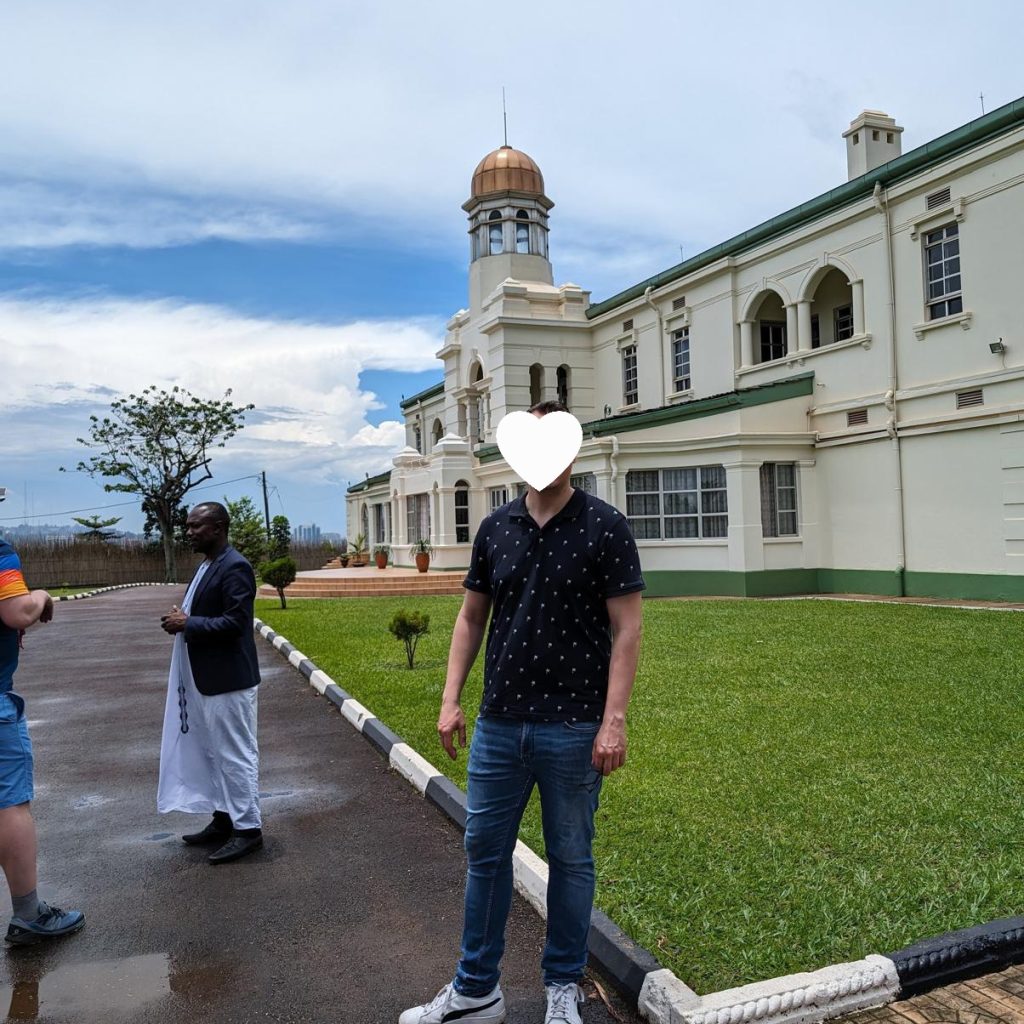
Discover the Legacy of Buganda at Kabaka’s Palace.
One of Kampala’s most significant historical landmarks is Kabaka’s Palace, commonly known as the Lubiri.
As the official residence of the Kabaka (King) of Buganda, the palace offers visitors a unique opportunity to learn about one of Africa’s oldest and most influential kingdoms. Guided tours introduce guests to Buganda’s royal traditions, cultural heritage, and political history while providing insight into the institution’s continuing importance today.
Visitors can explore the palace grounds, hear stories about the kingdom’s past, and gain a deeper understanding of the role Buganda has played in shaping modern Uganda.
Visit the Kasubi Tombs of the Buganda Kingdom
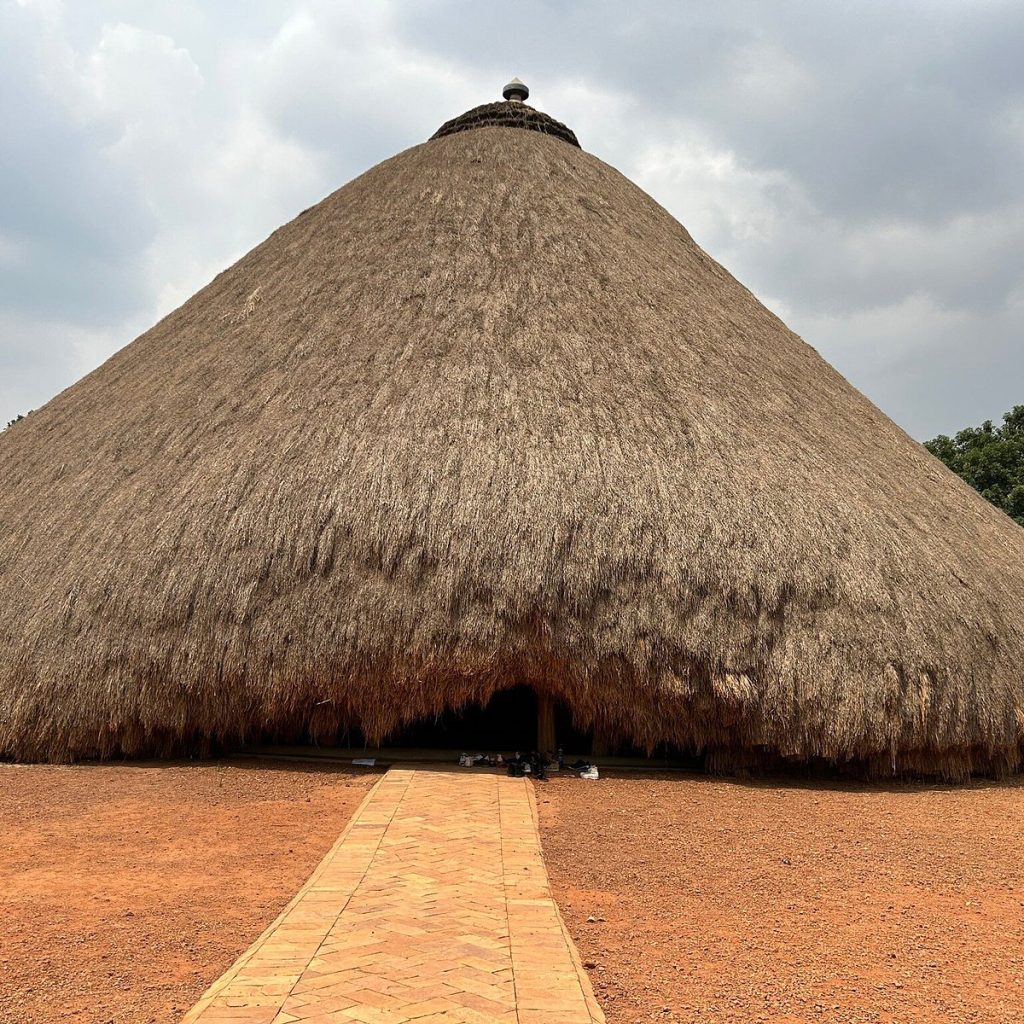
Another essential cultural attraction in Kampala is the Kasubi Tombs, one of Uganda’s most treasured heritage sites and a UNESCO World Heritage Site.
The tombs serve as the final resting place of several Buganda kings and are considered one of the most sacred sites in the kingdom. Constructed using traditional materials such as thatch, wood, reeds, and wattle, the site stands as an outstanding example of traditional Ganda architecture and craftsmanship.
A guided visit allows travelers to learn about Buganda’s royal lineage, spiritual beliefs, succession traditions, and the cultural significance of the site. Visitors can explore the beautifully maintained grounds, view traditional structures, hear fascinating stories about the kingdom’s past, and gain a deeper appreciation for the customs that have been preserved for generations.
The peaceful atmosphere and cultural importance of the Kasubi Tombs make them one of Kampala’s most rewarding historical experiences and a perfect complement to a visit to Kabaka’s Palace.
Explore the Uganda National Mosque.
Towering above Kampala’s skyline, the Uganda National Mosque is one of the most impressive architectural landmarks in East Africa.
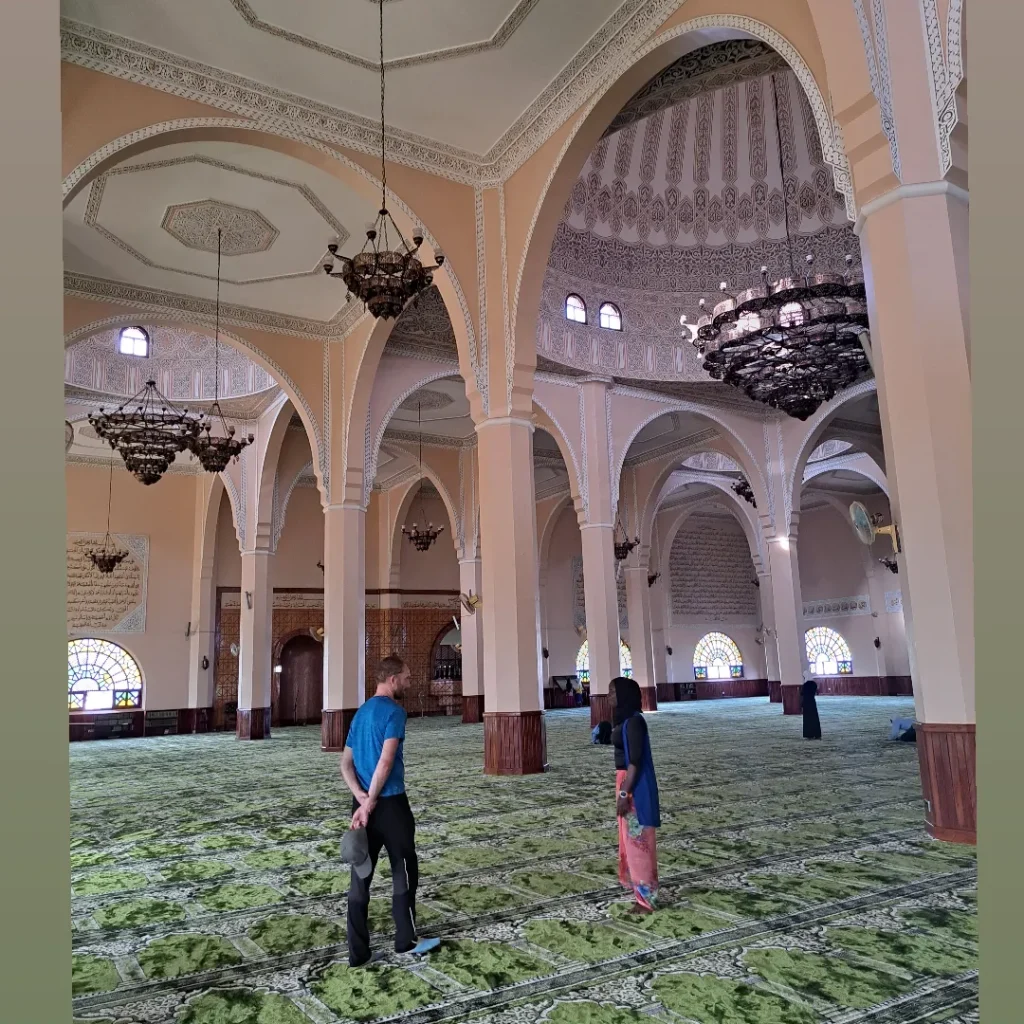
Often referred to as the Gaddafi Mosque, the building is capable of accommodating up to 200,000 people within its grounds during major religious gatherings, making it one of the largest mosques on the continent. Its grand prayer hall, intricate architectural details, and commanding position on Old Kampala Hill make it a must-visit attraction.
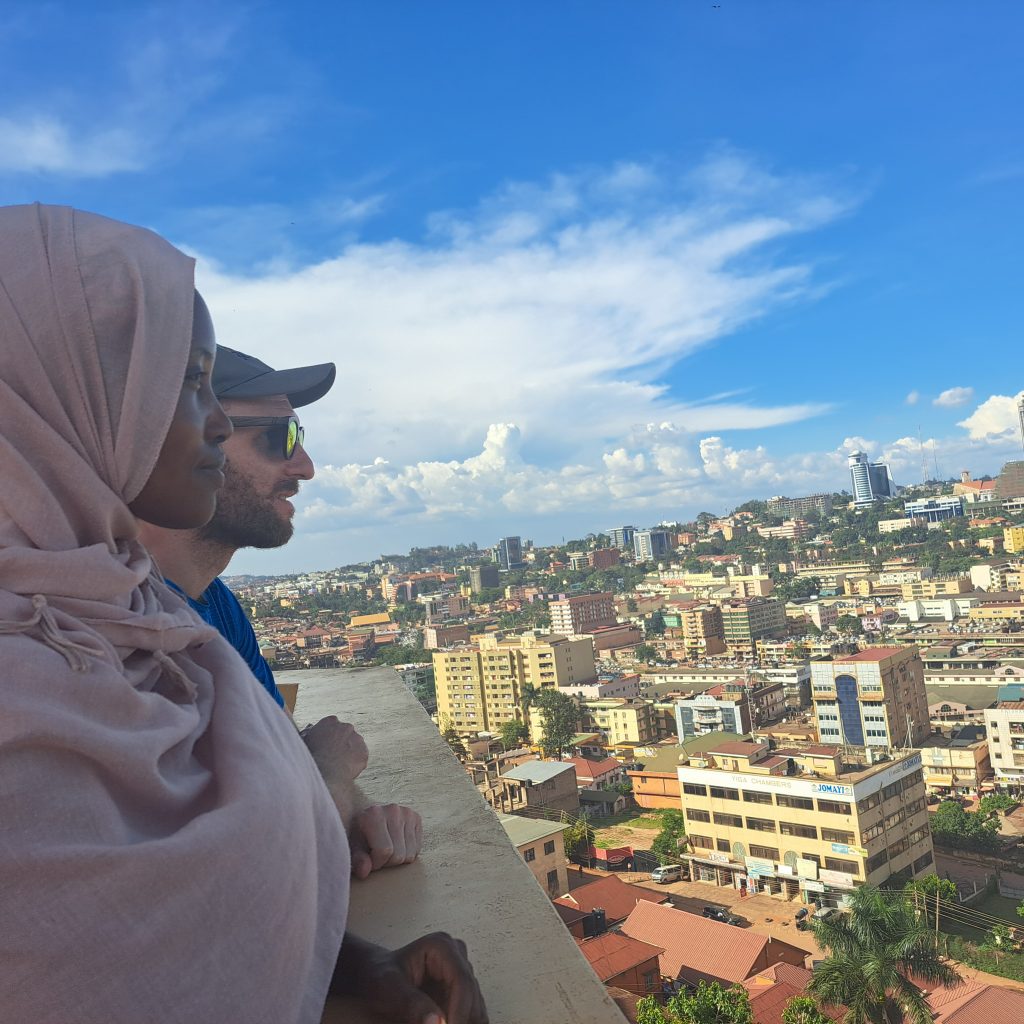
Guided tours offer fascinating insights into the history of Islam in Uganda, the mosque’s construction, and its role within the country’s religious community. One of the most popular experiences is climbing the mosque’s minaret. Visitors ascend approximately 272 steps to reach the top, where breathtaking panoramic views reveal Kampala’s famous hills, bustling neighborhoods, and major landmarks.
- Ps Visitors should dress modestly when entering the mosque. Clothing should cover the shoulders and knees, and women are typically provided with robes and headscarves if necessary before entering the prayer areas.
Step Into Uganda’s Past at the Uganda Museum
For anyone interested in the country’s history and cultural diversity, the Uganda Museum is an essential stop.
As Uganda’s oldest museum, it houses an impressive collection of artifacts that tell the story of the nation’s people, traditions, and natural heritage. Visitors can explore exhibitions covering archaeology, ethnography, traditional tools, musical instruments, and cultural practices from Uganda’s many ethnic groups.
One of the museum’s most fascinating exhibits is the skeleton of a prehistoric rhino believed to be more than eight million years old. Discovered in the Karamoja region, the fossil provides a remarkable glimpse into Uganda’s ancient past and the wildlife that once roamed the area millions of years before human settlement.
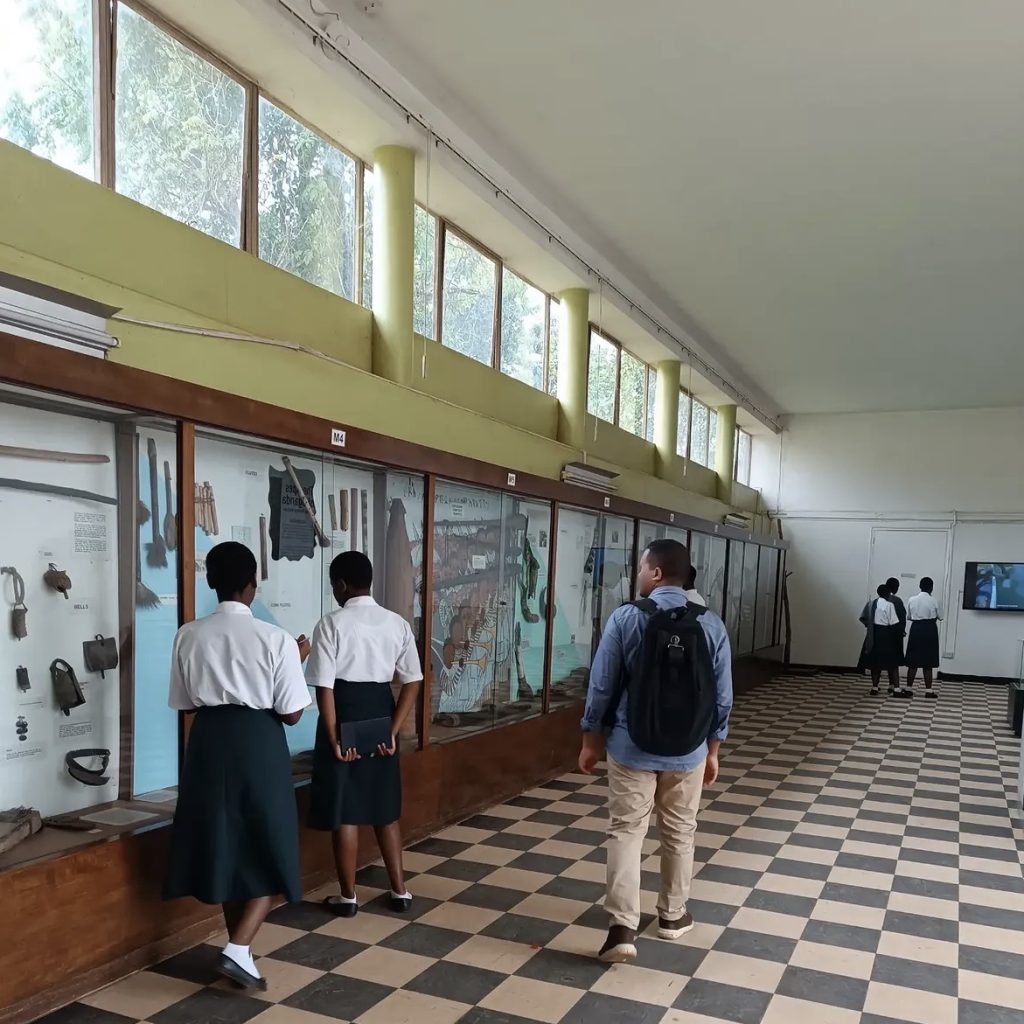
Among the other highlights are the traditional music exhibits, where visitors can learn about indigenous instruments and their role in ceremonies and daily life. Interactive displays, cultural artifacts, and historical collections help bring Uganda’s diverse heritage to life, making the museum an enriching experience for visitors of all ages.
A visit to the Uganda Museum offers a deeper understanding of the country’s journey through time—from prehistoric life and early civilizations to the vibrant cultures that define Uganda today.
Stroll through the local Nakawa Market.
To experience Kampala like a local, few places compare to Nakawa Market.
The market dates back to 1927 and is the oldest market in Kampala , it has grown into one of the city’s largest commercial markets and provides employment to thousands of traders, vendors, transporters, and support workers. The market plays a vital role in Kampala’s economy and serves as an important source for fresh produce.
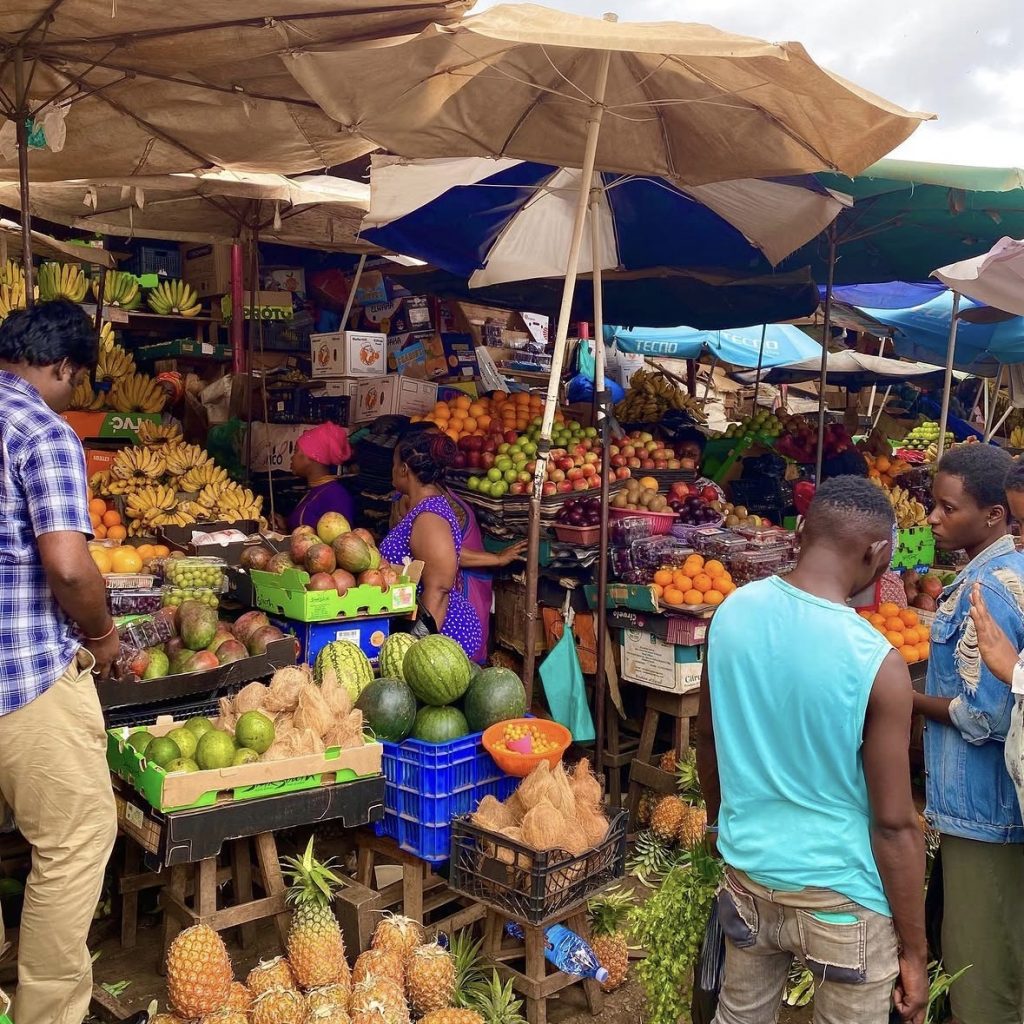
Walking through Nakawa Market is an experience in itself. Colorful displays of fruits and vegetables line the walkways, while traders proudly showcase everything from textiles and household goods to traditional herbs and spices.
A visit here offers an authentic glimpse into everyday life in Kampala. While exploring, be sure to sample some of Uganda’s delicious tropical fruits, including mangoes, pineapples, passion fruits, jackfruit, and sweet bananas. Adventurous food lovers should also look out for nsenene (grasshoppers), a seasonal delicacy enjoyed throughout Uganda and considered a favorite snack by many locals.
Find Unique Souvenirs at the Craft Market.
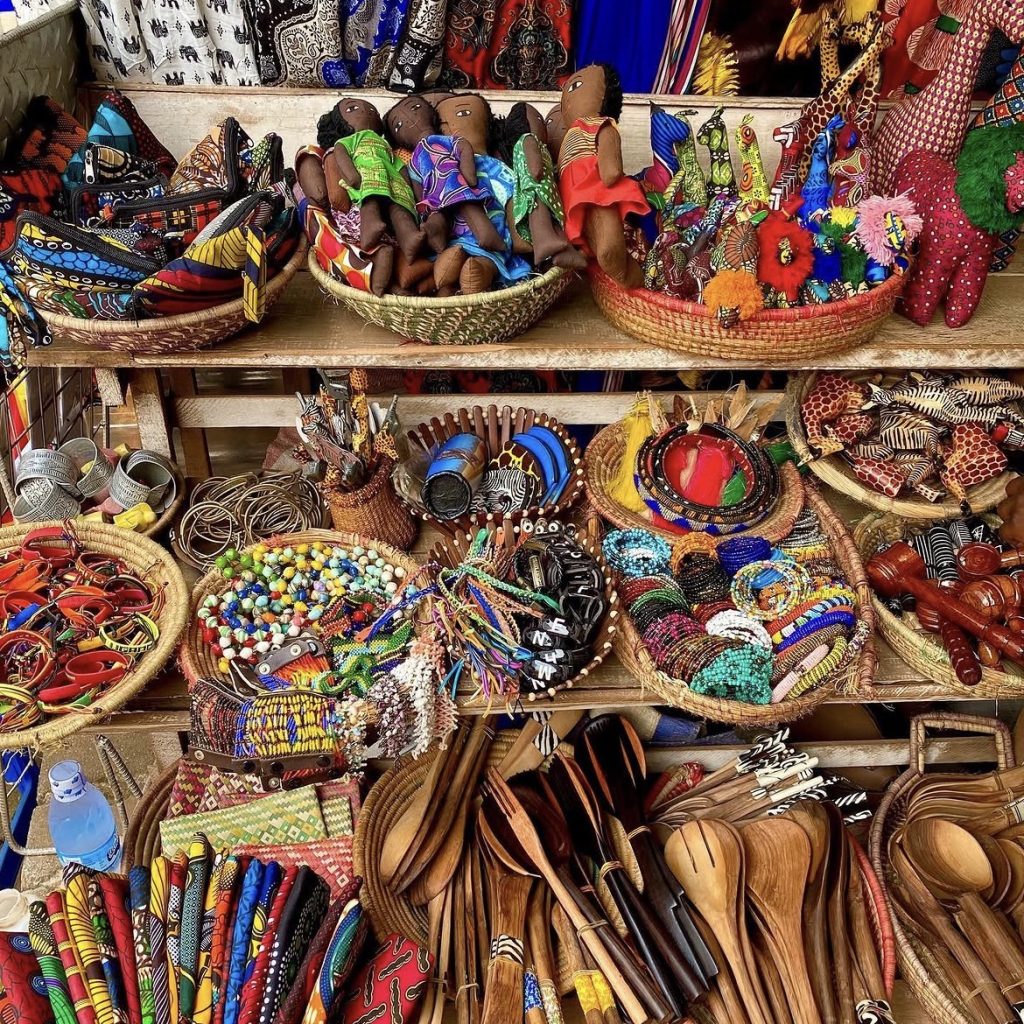
The Craft Market on Buganda Road is one of the best places in Kampala to purchase authentic Ugandan souvenirs.The market showcases the work of talented local artists who produce handmade jewelry, wood carvings, woven baskets, paintings, textiles, and decorative crafts inspired by Uganda’s cultures and landscapes. Whether you’re searching for gifts or personal items, you’ll find plenty of unique items while supporting local craftsmanship.
Experience Authentic Ugandan Cuisine.
Food is an important part of any visit to Kampala, and the city offers countless opportunities to sample traditional Ugandan dishes.Restaurants such as Uhuru Restaurant Mengo remain popular among locals and visitors alike for their hearty portions and authentic flavors. Visitors can enjoy favorites such as matooke, groundnut (g-nut) sauce, pilau rice, cassava, beans, sweet potatoes, and various meat dishes while experiencing Ugandan hospitality.Dining in Kampala is about more than the meal itself, it’s an opportunity to connect with local culture and experience the warmth that makes Uganda so welcoming.
Experience the Ugandan Tribal dances at Ndere Cultural Centre.
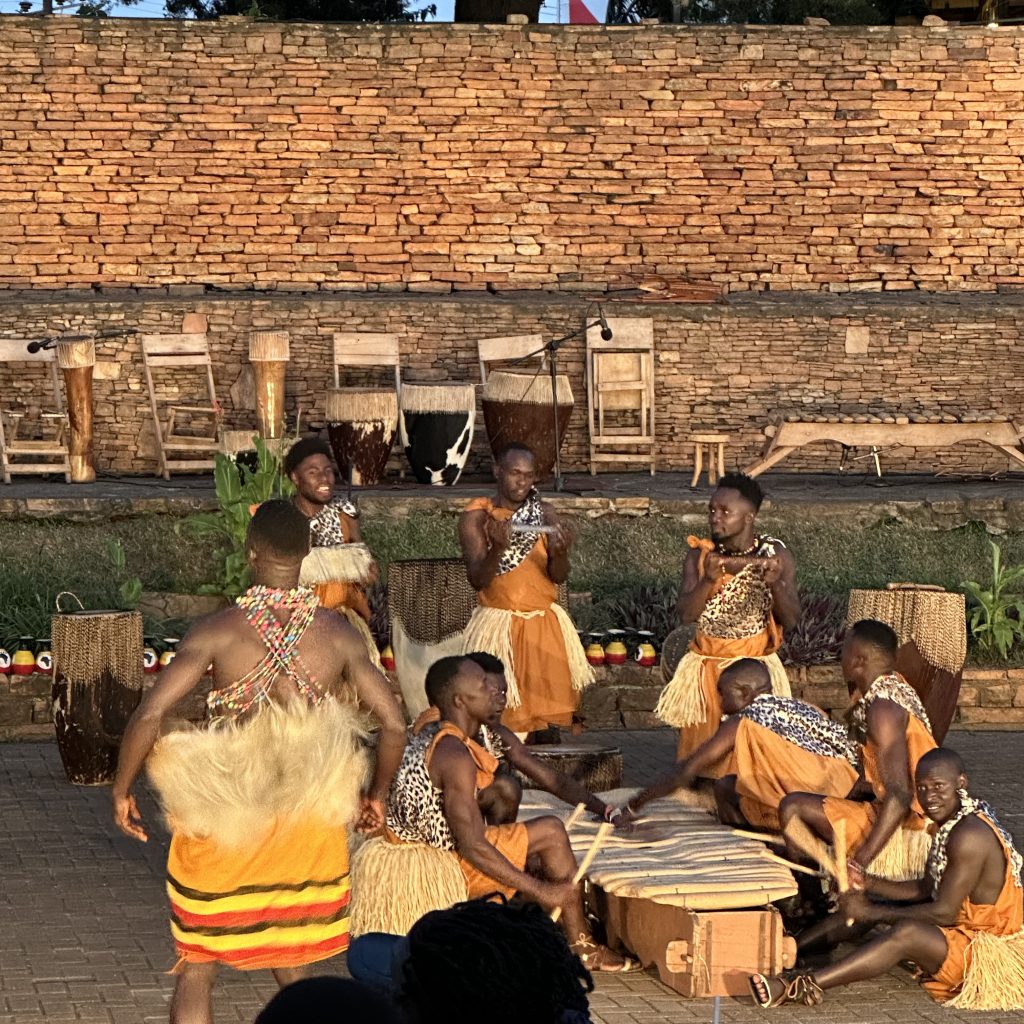
One of Kampala’s most memorable cultural experiences can be found at the Ndere Cultural Centre.
Home to the internationally praised Ndere Troupe, the center showcases Uganda’s cultural diversity through energetic dance performances, live drumming, storytelling, and traditional music. The performances celebrate the customs of Uganda’s many ethnic communities and provide visitors with a vibrant introduction to the country’s rich cultural heritage.
The colorful costumes, catchy rhythms, and audience participation make every performance both educational and entertaining.
See Kampala Through the Journey.
Whether you’re driving between landmarks, strolling through neighborhoods, or watching daily life unfold from a hilltop viewpoint, Kampala constantly reveals new perspectives. Every journey through Kampala tells a story, making the experience of exploring the city just as rewarding as the attractions themselves.
From royal palaces and historic museums to lively markets, cultural performances, and breathtaking viewpoints, Kampala offers an unforgettable introduction to Uganda’s heritage, creativity, and spirit.


Comment (0)