When you think about gorilla trekking, Uganda comes to mind because it is home to half of the world’s remaining mountain gorilla population, making it one of the most sought-after destinations to come up-close to these majestic creatures.
Before most people go gorilla trekking, they usually imagine the exciting part standing in the middle of the forest face to face with a mountain gorilla. And honestly, that moment really is unforgettable.
But what surprises many visitors is that the trek itself is a real adventure too.
The forest in Bwindi Impenetrable National Park is beautiful, wild, muddy, sometimes rainy, and very alive. One minute you’re walking under giant trees listening to birds, and the next you’re carefully climbing a slippery trail while trying not to slide into a bush.
That’s why what you wear actually matters a lot more than people think.
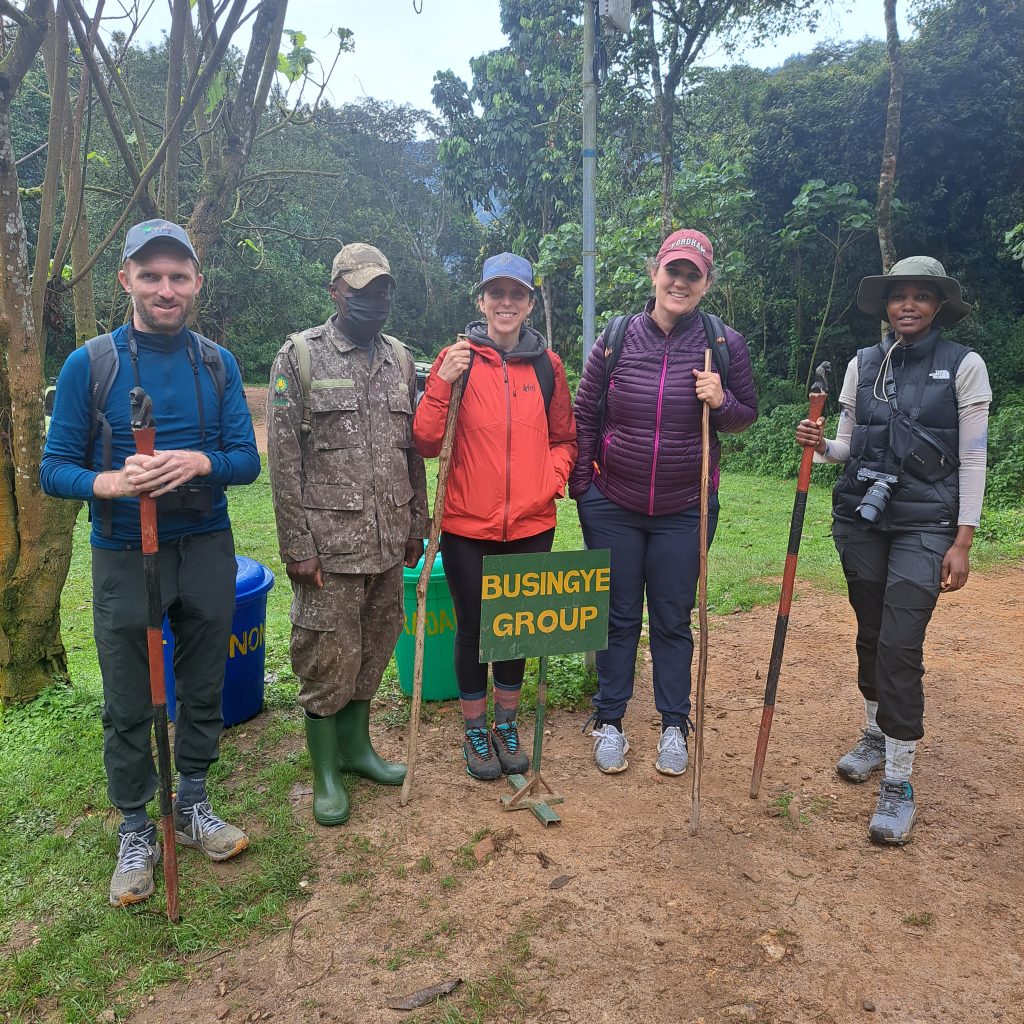
The first thing you’ll want is a good pair of hiking shoes. Not sneakers. Not sandals. Real hiking shoes or boots with good grip. The trails can get very muddy, especially after rain, and you’ll probably walk through steep areas, wet ground, and thick forest paths. Comfortable shoes honestly make the whole experience easier.
And speaking of rain,always carry a raincoat. A lightweight rain jacket can save your day completely, especially during longer treks.
Most guides also recommend wearing a long-sleeved shirt and long trousers. At first it may seem too warm for the trek, but once you enter the forest, you quickly understand why. There are thorny plants, branches, and tiny insects hiding in the vegetation. Covering your skin helps protect you while moving through the forest.
One funny but very useful trick I would recommend would be tucking your pants into your socks.
It may not look fashionable, but it works. The forest has ants and small insects that can crawl up your legs while hiking through tall grass and bushes. Thick socks with tucked-in trousers help stop that from happening and make the trek much more comfortable.
You’ll also need to carry a face mask incase your required to wear one . Since mountain gorillas are closely related to humans, they can catch human illnesses very easily, including flu and coughs. Wearing a mask helps protect them during close encounters.
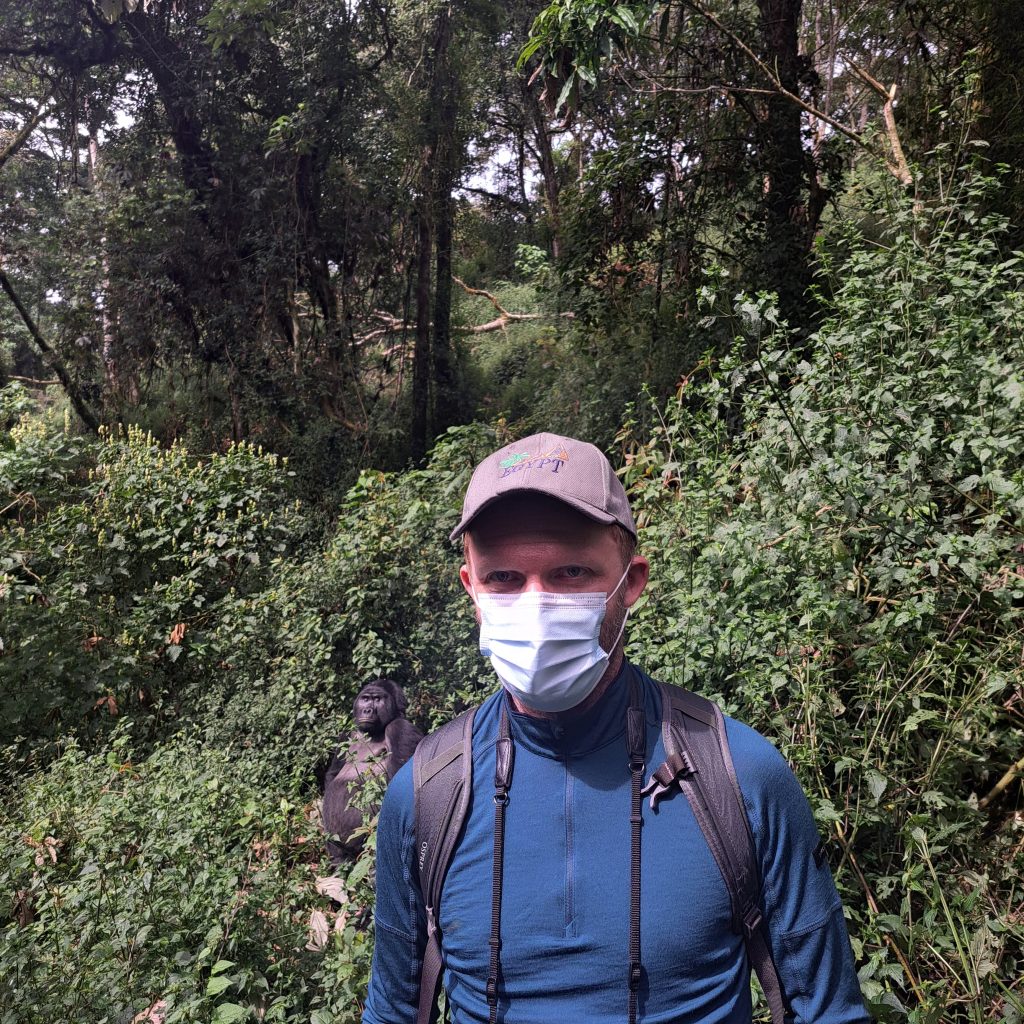
A cap and sunscreen are also worth bringing. Even though much of the trek happens under forest cover, there are open spots where the sun can get surprisingly strong, especially before and after entering the forest.
And if you enjoy photography or birdwatching, don’t forget your camera and binoculars. Bwindi is full of life beyond the gorillas colorful birds, monkeys, and incredible views everywhere you look. Just remember that flash photography is not allowed around the gorillas.
Most trekkers also carry a small backpack with water, snacks, rain gear, sunscreen, and extra batteries. Some hikes can take several hours, so having your essentials close by really helps.
One question many travelers ask is whether there’s an age limit for gorilla trekking. In Uganda, visitors must be at least 15 years old to participate. This is mainly for safety reasons and to help protect the gorillas from diseases.
And for older visitors or people with disabilities, there’s good news gorilla trekking can still be possible.
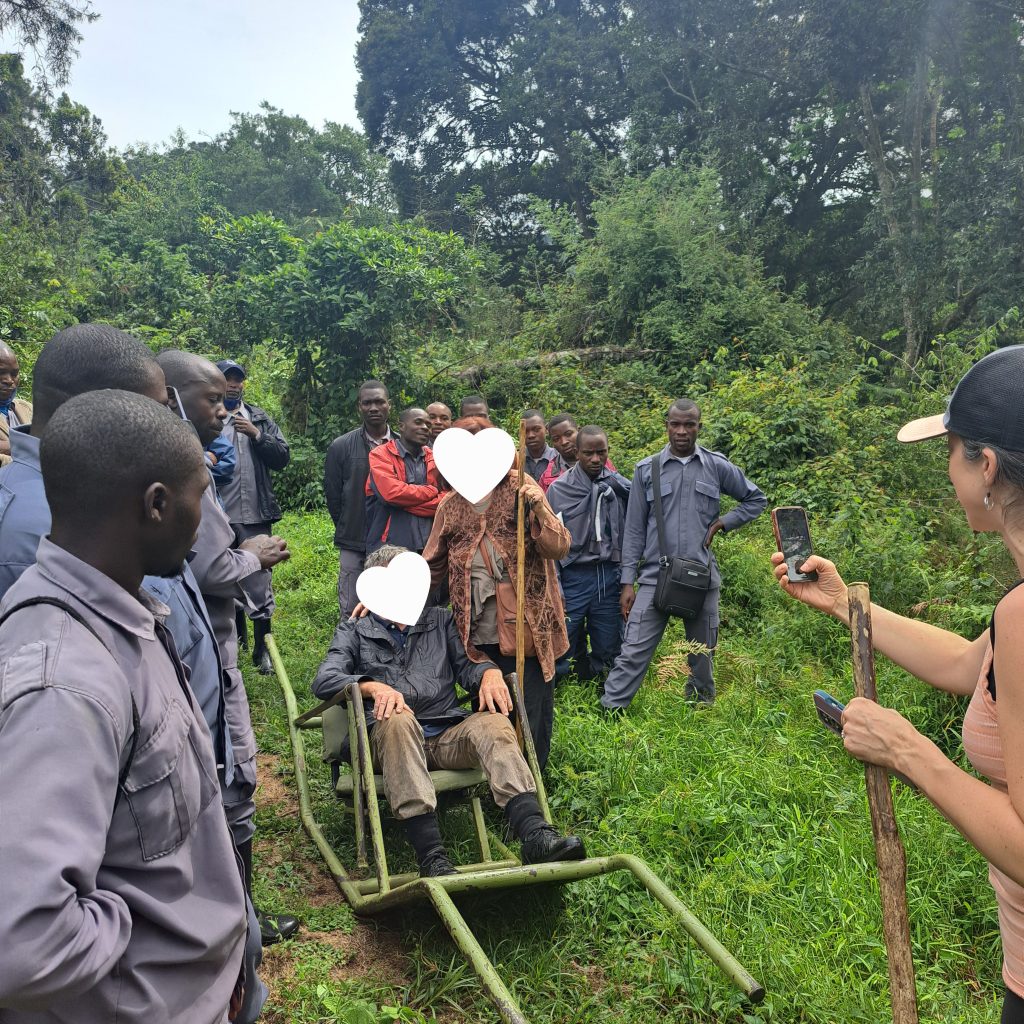
Bwindi has trained porters who carry special sedan chairs through the forest for visitors who may struggle with hiking. It’s honestly one of the most heartwarming things to see teams working together to make sure everyone has the chance to experience the gorillas, regardless of age or physical ability.
At the end of the day, gorilla trekking isn’t about looking perfect or staying clean. You’ll probably get muddy, tired, and sweaty along the way.
But the moment you finally stand quietly in front of a wild mountain gorilla in the middle of the rainforest, none of that matters anymore.

Comment (0)